
Over the past two decades, Girijana Vikas Swatchanda Seva Samstha has made significant strides in improving the lives of tribal and rural communities. Our landmark achievements showcase our commitment and the impact of our collaborative efforts with the villagers, government, and partner organizations. Here are some of the notable accomplishments we are proud to share:
Land Rights for Tribals: Successfully facilitated the distribution of title deeds to 2,000 tribal families under the Forest Rights Act, 2006. This achievement came after years of persistent advocacy alongside intellectuals, social workers, and community leaders. By securing legal rights to their ancestral lands, these families now have land security and a foundation for improved livelihoods.
Educational Inclusion: Enrolled and rehabilitated over 1,000 out-of-school tribal children (school dropouts and those who never enrolled) into government schools with hostel facilities. This massive education drive has given these children a second chance at learning and a brighter future. Notably, one beneficiary is a surrendered extremist (a former Maoist commander named Mr. Naresh) who is now pursuing his education at a Government Tribal Ashram School in Darakonda. His transformation from rebel to student highlights the profound social impact of our educational intervention.
Sustainable Farming Innovations: Introduced the System of Rice Intensification (SRI) technique to tribal farmers to improve paddy cultivation. We organized 25 village-level training camps, trained 150 farmers in advanced paddy cultivation practices, and helped establish a community seed bank in one village. As a result, SRI cultivation was successfully implemented in 6 villages, leading to higher yields with lower seed and water usage. Additionally, we formed 50 farmer clubs to promote peer learning, collective problem-solving in agriculture, and to improve access to extension services.
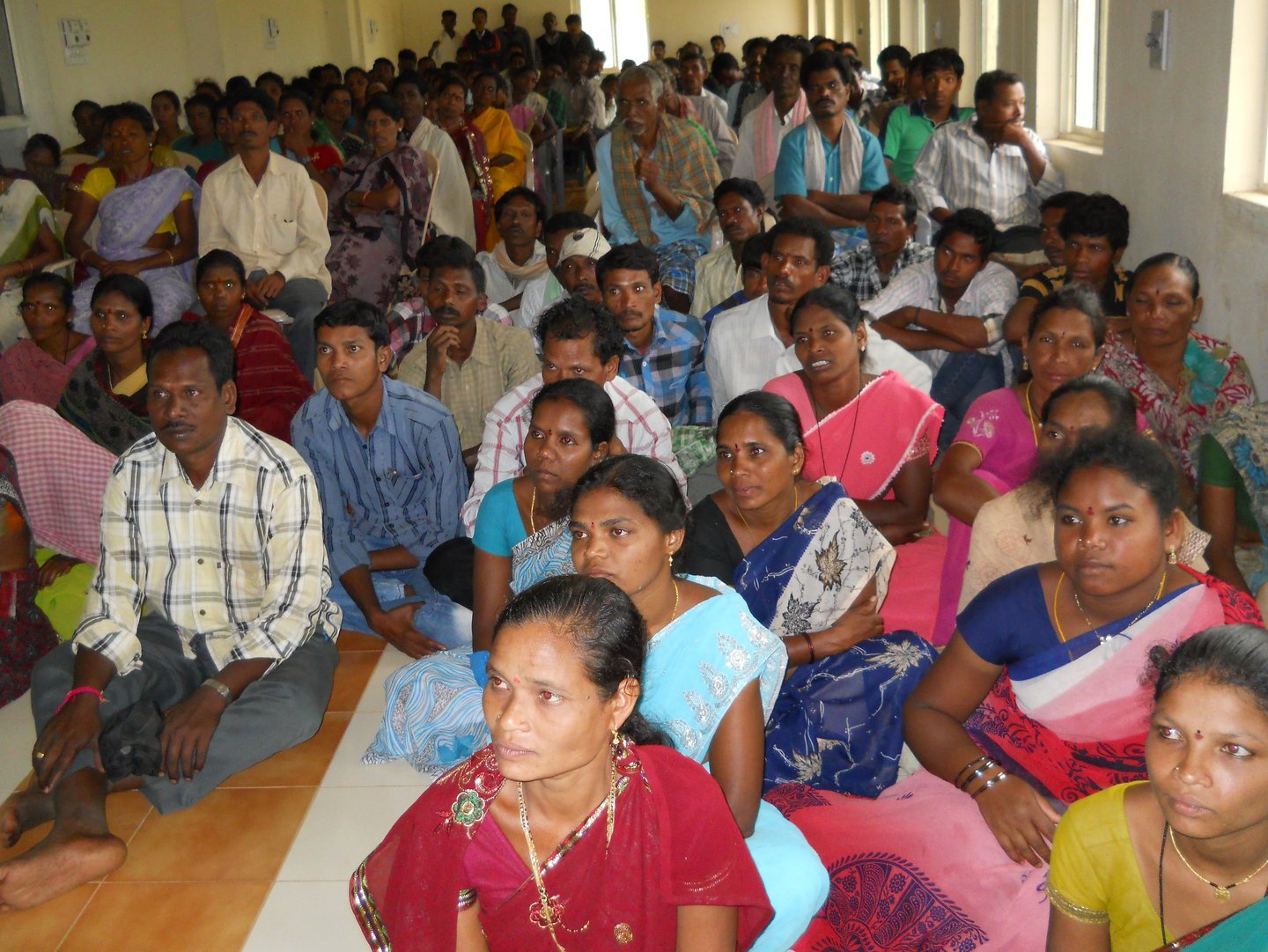
Community Institutions Formation: Established 20 Community-Based Organizations (CBOs) in 20 villages to foster local leadership and collective action. These CBOs, ranging from women’s Self-Help Groups to youth clubs and village development committees, have become pillars of the community, driving various development activities at the grassroots. We have also provided awareness and leadership training on government schemes, rights, and civic responsibilities to around 500 tribal youth, empowering the next generation to actively participate in their community’s development.
Organic Farming & Environmental Protection: Conducted extensive organic farming training programs, including hands-on workshops on vermicomposting, bio-fertilizers, and natural pest management. Over 150 members of Village Samakhyas (village associations) were trained, leading to the widespread adoption of organic practices in their farms. This has resulted in reduced use of harmful chemicals, improved soil fertility, and the production of healthier, chemical-free crops in the region. We also guided several tribal farmer groups in obtaining organic certification for their produce (for example, organic coffee and spices), opening up premium markets for them.
Disaster Relief & Rehabilitation: Played a crucial role during natural calamities, especially during the 2006 cyclone that ravaged parts of Visakhapatnam district. Our team supported thousands of affected people by distributing emergency food rations, seeds for replanting crops, tarpaulins for temporary shelter, and organizing medical camps. We worked in coordination with local authorities and received support from partners like ActionAid and AJWS-USA to amplify these relief efforts. Our timely intervention not only provided immediate relief but also aided in the longer-term rehabilitation of these communities (through follow-up support like supplying seedlings to restart farms).
Infrastructure & Asset Support: Under a special Rural Agriculture Program (RAP), we assisted farming communities in enhancing their agricultural infrastructure. We facilitated the distribution of motor vehicles and agricultural implements (such as power tillers, pump sets) to farmer groups, improving transportation and farming efficiency. Additionally, through advocacy and project support, several check dams were constructed in the area. These check dams harvest rainwater and prevent runoff, thereby recharging groundwater and providing irrigation sources for farmers. Such infrastructure has boosted agricultural productivity and resilience against droughts.
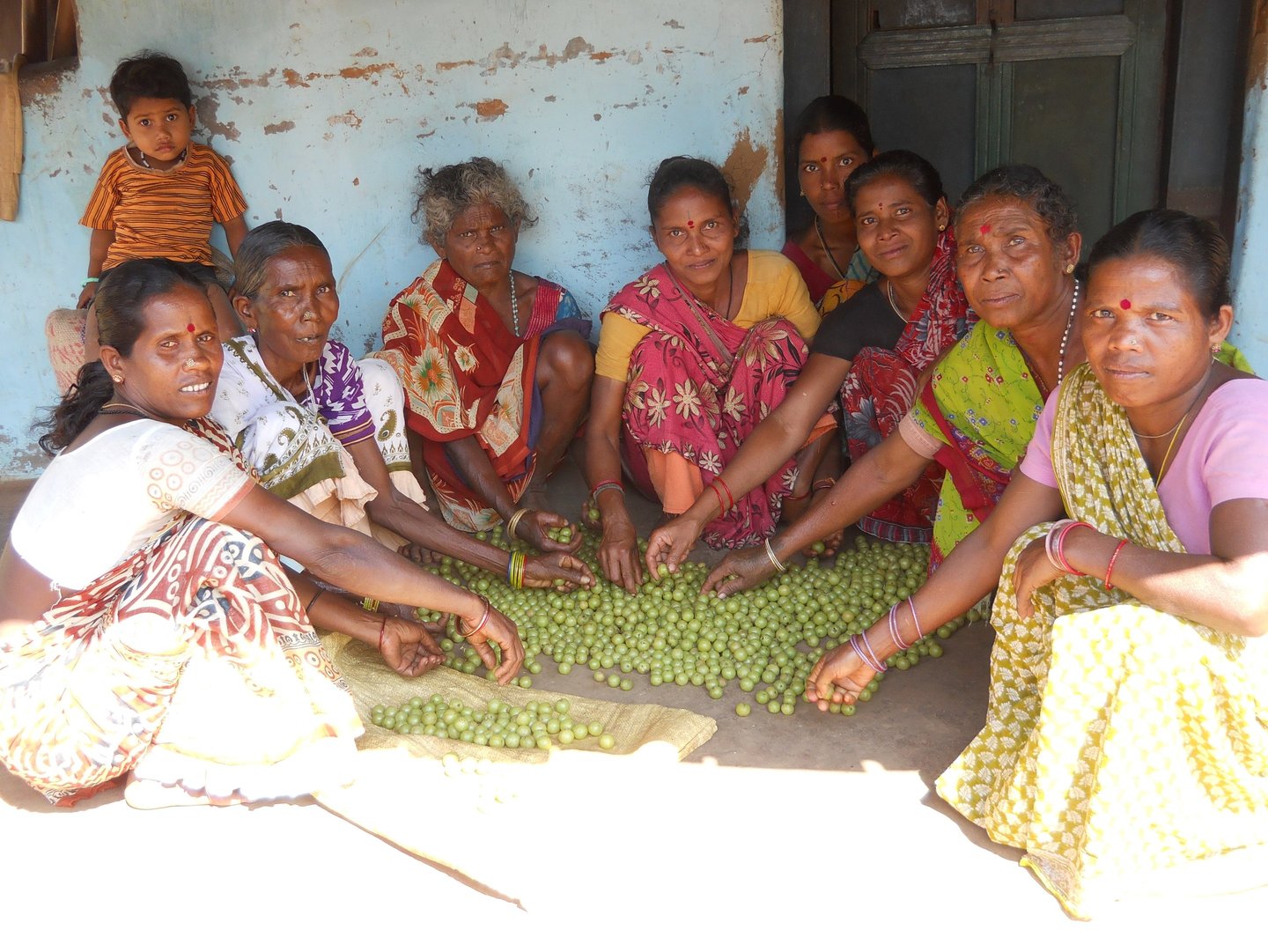
Women’s Livelihood Success: Trained 60 tribal women in Adda leaf plate making (a form of sustainable entrepreneurship). After 10-day intensive camps, these women’s groups started producing eco-friendly disposable plates from forest leaves. This initiative has been hugely successful, turning a traditional skill into a consistent income source for the women. Many of them now supply leaf plates to markets and have become breadwinners for their families – a significant step in women’s economic empowerment in the community.
Horticulture Revolution: Spearheaded a horticulture development drive in tribal areas. With support from NABARD’s Tribal Development Fund, we helped plant fruit trees (mango, litchi, etc.) on 500 acres of tribal land under the “Maathota” orchard program. This has created a long-term livelihood asset for 500 tribal families and also increased green cover in the region, contributing to ecological balance. Furthermore, our success with Maathota inspired the government’s Horticulture Department to replicate the model – thousands of additional acres in the region have since been brought under mango and pineapple cultivation by other farmers, turning the hills into productive orchards and boosting the local economy.
Renewable Energy in Villages: Implemented renewable energy solutions in remote villages. We developed 5 villages using non-conventional energy sources, focusing primarily on solar power. These projects included installing solar street lights in village commons, distributing solar lanterns to households without electricity, and setting up solar panels for powering community facilities. The introduction of solar energy has improved safety at night, enabled children to study after dark, and reduced dependence on kerosene, thereby improving health and saving money for villagers.
Clean Cooking & Health: Distributed 500 smokeless stoves to tribal households as a part of our health and environment initiatives. Traditional open-fire cooking in kitchens was causing respiratory illnesses among women and children and consuming large quantities of firewood. The new fuel-efficient, smokeless cook stoves have led to a remarkable improvement in indoor air quality and reduced wood consumption. Women report fewer incidences of coughs and eye irritation, and also spend less time gathering firewood, freeing them for other activities. This small intervention has brought big smiles and health benefits to many families.
Mobile Healthcare Access: Through our Mobile Medical Unit (MMU), which has been operational for several years, we have provided medical services to thousands of people in interior villages who otherwise have little access to doctors. This includes treatment of common illnesses, maternal and child health services, and referrals for serious cases to higher facilities. The presence of a regular MMU has built trust in modern healthcare among tribals and significantly reduced preventable health issues by early diagnosis and treatment. In emergency situations, our MMU has also acted as an ambulance, saving lives by transporting critical patients to hospitals in time.
Support for Migrant Children: A unique achievement of Girijana Vikas has been our program for children of migrant laborers. By setting up seasonal hostels and day-care centers, we ensured 1,270 children (whose parents migrate for work) continued their education instead of dropping out. We hired qualified teachers (with B.Ed degrees) to teach and care for these children. This effort not only kept the kids safe and educated but also gave peace of mind to hardworking parents that their children are in good hands. The program has been lauded by local authorities and could serve as a model for other migration-prone areas.
Water Security: Implemented gravity-based drinking water systems and small irrigation schemes in five villages that previously had acute water scarcity. By tapping perennial hill streams and springs and channeling the water through pipes to village storage tanks, we created a reliable water supply for these communities. Villagers no longer have to walk miles for potable water, and incidences of water-borne diseases have dropped significantly. In some of these villages, simple irrigation channels now also bring water to nearby fields, enabling farmers to diversify into kitchen gardens and grow vegetables, improving nutrition and income.
Efficient Irrigation Promotion: Set up drip irrigation facilities in five villages covering multiple farmers’ fields. With drip lines and training provided, farmers have managed to cultivate high-value crops like vegetables and spices with minimal water usage. The success of these pilots has motivated neighboring farmers to adopt drip irrigation as well, and some have received government subsidies for wider replication. This achievement demonstrates how technology adoption can be accelerated through on-ground demonstration of benefits.
Organic Certification & Market Linkage: Assisted the Girijana Cooperative Corporation (GCC) and local farmer groups in obtaining organic certification for coffee grown in the G.K. Veedhi and Chintapalli region. As a result, tribal coffee farmers are now recognized for producing organic coffee, which has opened up new market opportunities including direct sales to specialty coffee buyers and exporters. This has increased the income of coffee growers and put this remote region on the map for high-quality organic coffee production.
Formation of Farmer Producer Companies: We successfully formed seven Farmer Producer Organizations (FPOs) (registered as Farmer Producer Companies) in collaboration with NABARD and the Department of Horticulture. These include FPOs named after local identities (one of them proudly known as “Andhra Kashmir Tribal Farmers Producer Co.” in Lambasingi). They collectively involve hundreds of farmers and focus on crops like coffee, pepper, cashew, millets, and horticulture produce. Notably, one FPO attained organic certification for its products and another completed its first year of operations profitably, demonstrating the viability of the FPO model. Through these FPOs, farmers have gained direct market access, better pricing, and even branding of their products, fundamentally changing the agri-business landscape in the area.
Introduction of New Crops: Ventured into pioneering apple cultivation in high-altitude tribal areas by collaborating with scientists from the Centre for Cellular and Molecular Biology (CCMB). We introduced low-chill apple varieties in a trial plot in the Lambasingi region (which has cooler climates). While Andhra Pradesh is not known for apples, this experiment is a bold step towards diversifying crops. If successful, it could pave the way for a new horticulture avenue for tribals, making Visakhapatnam’s Agency area the only place in the state producing apples. The project has garnered interest and hopes for long-term results.
Empowering Women through Microfinance: Formed two Mutually Aided Cooperative Thrift & Credit Societies (MACTS) exclusively for women. These cooperatives not only provide easy access to loans and financial services, but also instill confidence and decision-making powers in rural women. Today, hundreds of women members collectively save and manage funds exceeding ₹30 lakhs (which was initially a revolving fund supported by NABARD and later repaid with interest). This financial empowerment has enabled women to start small businesses, improve their farms, educate their children, and handle emergencies without falling into debt traps.
Market Infrastructure Development: Built two rural haats (markets) with funding from NABARD, one of which is at Lambasingi and another in a major village marketplace. These haat facilities have created a vibrant marketplace for tribal sellers of vegetables, fruits, NTFP (non-timber forest produce like tamarind, honey, mahua flowers), and handmade goods. Hundreds of people from surrounding villages participate in these weekly markets, and tribal farmers are now able to sell larger quantities at fair prices. The haats have also attracted traders from town, increasing competition and prices for the benefit of producers.
Rural Mart Success: Launched a Rural Mart at Lambasingi junction, which has become a popular stop for tourists and locals alike. This shop, managed in collaboration with a local FPO, directly sells tribal-grown products such as organic coffee (branded locally), spices like black pepper and turmeric, wild honey, handmade soaps, millets, and even fresh produce in season. The mart has significantly increased incomes for participating farmers by eliminating intermediaries who used to take a large cut. It also serves as an information center, where visitors learn about tribal agriculture and often become repeat customers of these products, even ordering in bulk after returning to cities. By connecting tribal producers straight to consumers, the Rural Mart exemplifies our mission of socio-economic empowerment.
Each of these achievements has been possible due to the collective effort of the community members, our dedicated team, supportive partners, and donors. We consider these successes not as endpoints but as milestones on our journey. They inspire us to innovate further and scale up our impact. We regularly document and reflect on our outcomes to learn what works best in empowering the communities.

Central Office
Ayyanna Colony, Narsipatnam Anakapalli Dist - 531116
Hours
Monday - Friday
9am - 6pm
Contacts
+91 94946 71156
info@girijanavikasngo.com
Hanuman Junction,
Opp R&B Guest House Chintapalli, ASR Distric - 531111
Hours
Monday - Friday
9am - 6pm
Contacts
+91 94946 71156
info@girijanavikasngo.com
Budatalavenam, Near Pentapadu,
Sileru Road, Chitapalli
ASR District - 531111
Hours
Monday - Friday
9am - 6pm
Contacts
+91 94946 71156
info@girijanavikasngo.com
Geddamputtu, Paderu
ASR District - 531024
Hours
Monday - Friday
9am - 6pm
Contacts
+91 94946 71156
info@girijanavikasngo.com